

Table of Contents
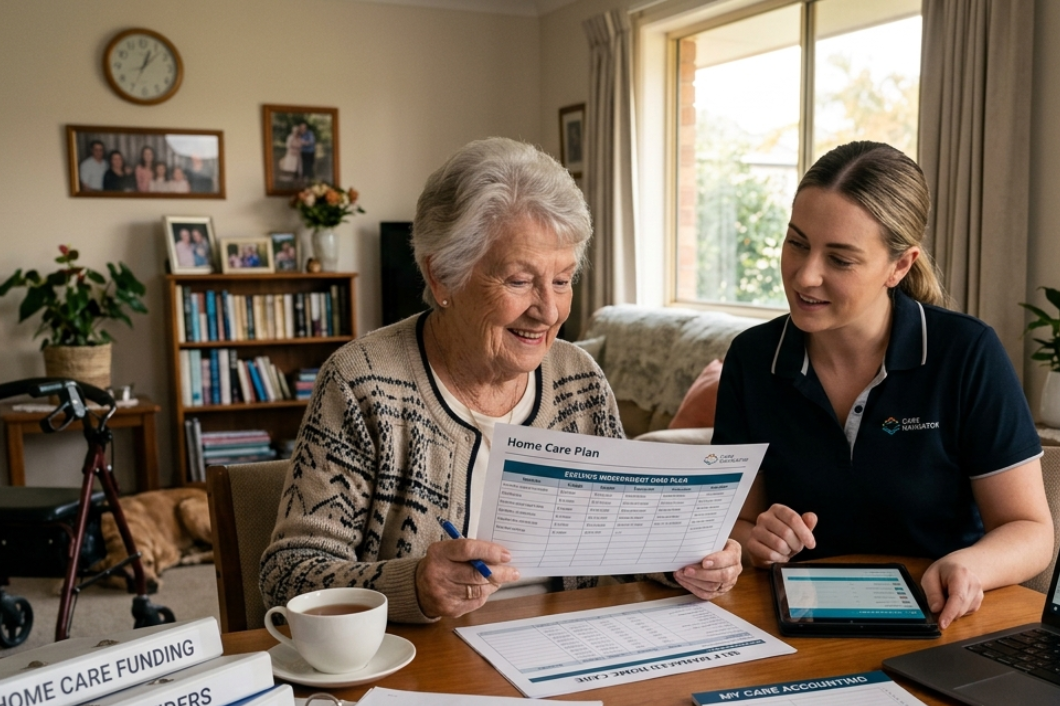
Getting older shouldn’t mean handing over the keys to your own life. That’s the whole idea behind self-managing your aged care funding. You have the say in who helps you, when they turn up, and how your money is spent, instead of a provider making those calls on your behalf. If you’ve been searching for straight answers on how this actually works in Australia right now, this guide walks you through it, step by step. Self-management is one of the ways eligible older Australians can make the most of their Government Funded Home Care Services, giving them greater flexibility while continuing to receive approved support.
What Self Managed Home Care Packages Mean Today
The old Home Care Packages Program officially ended on 1 November 2025. It was replaced by a new system called Support at Home. If you already had a package before that date, you were automatically moved to the new program. The good news is the change didn’t reduce the funding and support you were already receiving. If you’re applying for support for the first time now, you’ll enter the system directly under Support at Home.
So why does everyone still say “Home Care Package”? Because it’s the phrase most families grew up using, and it’s still how most people search for this kind of support. In practice, when people talk about Self Managed Home Care Packages today, they mean self-managing their Support at Home funding: choosing your own support workers, organising your own services, and staying in the driver’s seat, rather than leaving every decision to an agency.
How Self-Management Actually Works
Under the current system, your funding is held by Services Australia, not by a provider. A registered provider claims against your allocation only after a service has actually been delivered. This is a meaningful shift from the old model, and it’s part of why home care package self management has become such an appealing option. You can see exactly what’s being spent and on what, rather than trusting a monthly statement from a middleman.
Here’s what self-managing typically looks like in real life:
- You choose your own support workers, including independent workers or staff from different organisations, rather than only using whoever your provider assigns you.
- You organise your own day-to-day services, such as cleaning, transport, gardening, and personal care, while your provider still handles the paperwork, compliance, and safety checks behind the scenes.
- You track your quarterly budget yourself, so you always know how much is left and where it’s going.
- You still need a registered provider attached to your funding. Full independence from a provider isn’t currently an option; your provider remains legally responsible for your care and must check in with you at least once a month, even if you’re managing most of it yourself.
It’s worth being upfront about one detail that catches people off guard:
10% of your quarterly budget is set aside for care management, whether you self-manage or not. That fee covers your provider’s oversight obligations, so self-managing doesn’t remove it. What changes is the other 90%. When a provider organises your every booking, they usually build that admin work into their fees. When you organise your own workers and appointments, that extra cost disappears, so more of your budget goes toward actual support hours.
How to Self Manage a Home Care Package, Step by Step
If you’re wondering how to self manage home care package funding without feeling overwhelmed, the process is more straightforward than most people expect.
1. Get assessed.
Contact My Aged Care to have your needs assessed. This determines your funding classification and what kind of support you’re approved to receive. If you’re unsure how funding levels worked under the previous system, our guide to Home Care Packages Level 1 to 4 explains the different levels of support and how they compare with today’s Support at Home program.
2. Choose a provider that genuinely supports self-management.
Not every organisation is set up for it; some are built around delivering everything themselves and treat self-management as an afterthought. Ask directly how much control you’ll actually have.
3. Build your care plan together.
Your provider must document any self-management arrangements in your plan before your support starts, including which workers you’ll use and who’s responsible for what. It’s also a good idea to familiarise yourself with the Home Care Package Guidelines, so you understand your responsibilities, approved services, and how your funding can be used effectively.
4. Start choosing your own workers and services.
You can mix independent workers, small local providers, and larger agencies, as long as everything you pay for is on your approved support list.
5. Keep an eye on your quarterly budget.
Because funding is now released quarterly rather than yearly, checking in regularly helps you avoid running short before your next top-up.
6. Stay in touch with your provider.
Regular check-ins help review your care, monitor your budget, and ensure your package continues to meet government requirements.
None of this needs to be complicated, and a decent provider will walk you through each stage rather than leaving you to work it out on your own.
Why People Choose to Self-Manage
The appeal isn’t just about control for its own sake; it comes down to genuinely practical benefits.
More care for the same funding
Providers that organise every aspect of your care often have higher administration and care management costs. When you self-manage, more of your quarterly budget goes toward actual support hours instead of overhead.
Choice of who comes into your home
For many older Australians, particularly those from close-knit or culturally specific communities, being able to choose a support worker who understands their background, language, or way of life matters just as much as the practical help itself.
Flexibility that fits real life
Self-managing means you can change your schedule around a family visit, a medical appointment, or simply a day you’d rather rest, without waiting on a call centre to reshuffle a roster.
Transparency
You’ll always have a clearer view of how your funding is being used. There’s no guessing about where your funding has gone.
Is Self-Management the Right Fit for You?
That said, self-management may not be the best option for everyone. Managing your own bookings and paperwork takes a bit of time and organisation, and some people would rather their provider handle every detail. Being honest about that is part of making a good decision, and a trustworthy provider will tell you this too, rather than pushing self-management on everyone regardless of whether it actually suits them.
Choosing the Right Self Managed Home Care Package Providers
Not all self managed home care package providers offer the same level of genuine flexibility. Some organisations advertise self-management but still lock you into their own roster of workers. This is especially worth checking if you’re outside a capital city, since self-managed home care packages QLD families can access are often limited to fewer providers.
To choose the right provider, ask about the following:
- Can I choose independent workers, or only staff from your own team?
- How often will someone actually check in with me, beyond the legal minimum?
- Are your fees and pricing clearly stated so I can compare them with other providers?
- Do you understand my community, culture, or specific care needs, rather than offering a one-size-fits-all service?
- What happens if I want to change something in my care plan later on?
A provider that answers these questions clearly and without hesitation is usually one worth trusting. A provider that gets vague or defensive is worth walking away from.
Take Control of Your Aged Care Support Today
As a team that understands self-managed home care packages QLD families rely on day-to-day, Bur-Del has spent years supporting older people and families across the Burdekin and Townsville region, including Aboriginal, Torres Strait Islander, Australian South Sea Islander, and non-Indigenous community members, to access home support that actually fits their lives. Whether you’re weighing up self-management for the first time, considering a hybrid arrangement, or simply want a straight answer about what your funding can do, our team is here to talk it through with you.
Explore our Support at Home Services to see how we can support your independence, or get in touch with our friendly team today to start the conversation about taking control of your aged care.