


Support at Home (SAH)


Eligibility
You may be eligible for a home care package if you are an older person who needs coordinated services to help you to stay in your home.
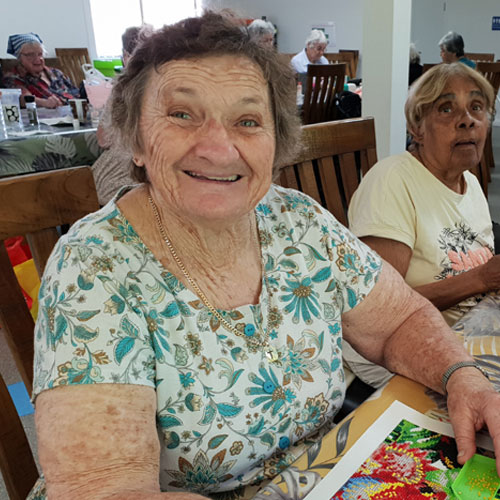
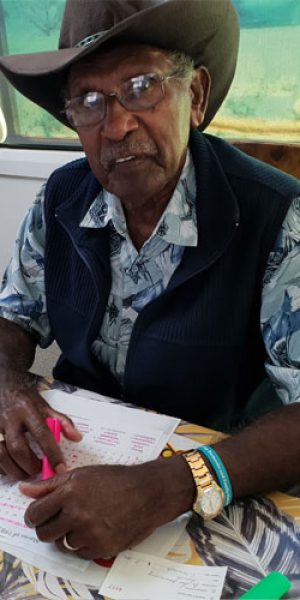
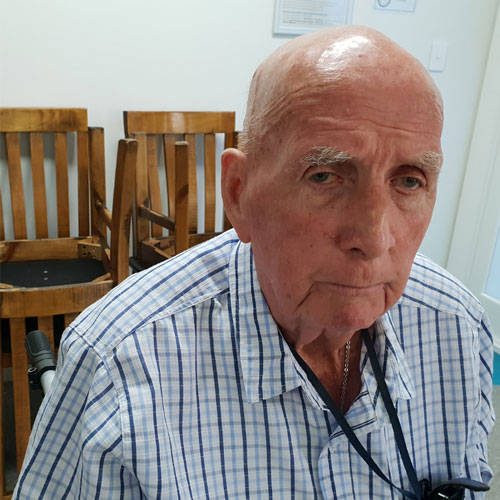
Eligibility
If you are an older person who needs coordinated services to help you to stay in your home, you may be eligible for a Support at Home (SAH) if you are an older person.
Assessment for a Support at Home (SAH)
To find out if you are eligible for a Support at Home (SAH) or any other help at home services, call My Aged Care on 1800 200 422. The My Aged Care contact centre will ask you a series of questions to determine if you need an assessment by an Aged Care Assessment Team (ACAT).
During the assessment the ACAT will determine if you are eligible for a Support at Home (SAH) and which level best meets your care needs.
There are 4 transitional levels for clients who are transitioning from the previous Home Care Package Program.
There are 8 Levels under Support at Home:
- Level 1: Basic entry-level support for those who are largely independent, providing occasional assistance with light domestic tasks like cleaning, meal preparation, or transport to maintain wellbeing and prevent further decline.
- Level 2: Low support for emerging needs, including regular help with personal care such as showering, dressing, medication reminders, and social outings to foster independence and connections.
- Level 3: Moderate assistance tailored to daily living challenges, offering structured help several times a week for hygiene, mobility, meals, household chores, and community engagement.
- Level 4: Higher-frequency care for increasing requirements, delivering consistent support in self-care, non-clinical continence management, allied health services, and social activities to promote safe home living.
- Level 5: Intensive services for complex conditions, incorporating frequent nursing, therapeutic interventions, care coordination, and daily activity aids to manage significant functional or cognitive issues.
- Level 6: Substantial high-needs support, featuring regular clinical care, personal assistance, restorative management, and multi-service coordination for escalating health or mobility concerns.
- Level 7: Very high-level comprehensive aid for advanced decline, encompassing daily personal care, medical oversight, nutrition support, and social help to sustain quality of life.
- Level 8: Maximum intensive care for extreme complexities, supplying near-constant specialised nursing, multidisciplinary therapies, and end-of-life elements to assist those with severe impairments at home.
There are 2 short-term pathways of Support at Home:
- The Restorative Care Pathway delivers short-term intensive therapy to improve function, independence, or recovery, for example: following hospitalisation, a fall, or illness and replaces the previous Short-Term Restorative Care (STRC) program.
- The End-of-Life (Palliative) Pathway provides intensive support for individuals with a terminal illness, focusing on comfort, pain management, and maintaining dignity while remaining at home.
There is also assistive technology and home modifications supports of Support at Home:
- The Assistive Technology and Home Modifications (AT-HM) Scheme offers dedicated funding for equipment, aids, and home alterations, such as ramps, grab rails, or mobility scooters to enhance safety and support independent living.
You will be approved for one level of the Support at Home (SAH). You will be prioritised for care based on your assessed need.
Each level of Support at Home provides a different subsidy amount. This amount is paid to your selected approved home care provider. The subsidy contributes to the total cost of your services and care delivery.
Services
The types of services you can access under Support at Home include, but are not limited to:
Video conferencing and digital technology (including remote monitoring) to increase access to timely and appropriate care.
Such as aids and equipment (particularly those that assist a person to perform daily living tasks), as well as devices that assist mobility, communication and personal safety.
Some aids and equipment that are directly associated with your care needs can be purchased using funds from your SAH budget. To find out more, please contact us.
Support at Home Pricing
To find a list of our Support at Home Pricing, click below
Support at Home restrictions
The following services cannot be used with your Support at Home funds:
- Items that would normally be purchased out of general income
- Buying food, except as part of enteral feeding requirements
- Payment for permanent accommodation, including assistance with home purchase, mortgage payments or rent
- Payment of home care fees
- Payment of fees or charges for other types of care funded or jointly funded by the Australian Government
- Home modifications or assets that are not related to your care needs
- Travel and accommodation for holidays
- Cost of entertainment activities, such as club memberships and tickets to sporting events
- Gambling activities
- Payment for services and items covered by the Medicare Benefits Schedule or the Pharmaceutical Benefits Scheme.
Consumer directed care
All Support at Home (SAH) services must be provided on a consumer directed care basis. This means Bur-Del will work with you to identify a level care and services to meet your needs so you can live a more active and independent life.
The National Disability Insurance Scheme
We are a Registered NDIS Provider
Assistance with personal activities such as bathing, showering, toileting, dressing and undressing, mobility and communication.
Assistance with preparing meals, including special diets for health, religious, cultural or other reasons; assistance with using eating utensils and assistance with feeding.
Assistance in using continence aids and appliances such as disposable pads and absorbent aids, commode chairs, bedpans and urinals, catheter and urinary drainage appliances, and enemas.
Providing crutches, quadruped walkers, walking frames, walking sticks, mechanical devices for lifting, bed rails, slide sheets, sheepskins, tri-pillows, pressure-relieving mattresses and assistance with the use of these aids.
Inclusive of speech therapy, podiatry, occupational or physiotherapy services, hearing and vision services. Support at Home levels 1 and 2 are not intended to provide comprehensive clinical or health services. Support at Home levels 3 to 8 have a greater emphasis on delivering complex care in the home, including more clinical care where needed.
Assistance with shopping, visiting health practitioners and attending social activities.
Assistance with bandages, dressings and skin emollients.